12 November 2026
Using location tracking to support dementia care at home
Presented by @laterlifeliving
How location tracking can support dementia care at home
Caring for a family member with dementia at home brings many rewards, but it also comes with real worries. One of the most stressful concerns is the risk that your loved one may wander away and become lost. It happens more often than many people realise, and it can be frightening for everyone involved. Fortunately, modern location tracking technology offers a practical way to reduce that worry without taking away a person's independence or dignity.
Location tracking for dementia care does not mean constant surveillance or locking doors. Instead, it gives families a quiet safety net. When a person with dementia can still enjoy a walk in the garden or a trip to the local shops, a small device can help ensure they stay safe. This article explains what location tracking involves, how it works in real life, and what families in New Zealand should consider before choosing a solution.
What is location tracking for dementia care?
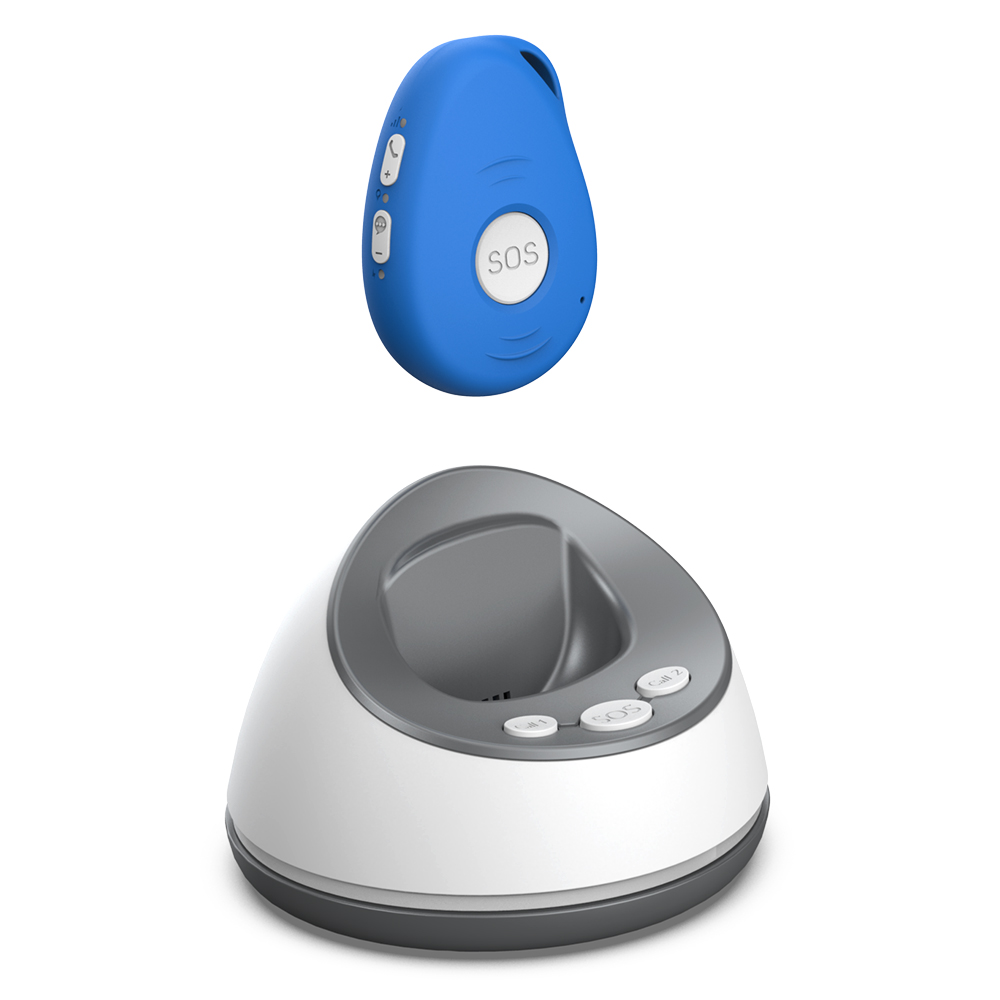
Location tracking uses technology to know where a person is at a given time. For dementia care, the most common tools are small wearable devices that use GPS and Wi-Fi signals to report a person's position. These devices are often designed to be worn as a pendant, clipped to a belt, or slipped into a pocket. They do not look like medical equipment, which helps normalise their use.
An elderly GPS tracker of this kind typically sends location data to a smartphone app or a web portal. A family member or carer can check the person's whereabouts at any time. Some devices also let you set up a geofence, a virtual boundary around a safe area such as the home or a familiar park. If the person wearing the device crosses that boundary, the system sends an alert to the carer's phone. That early warning can make the difference between a short walk and a long search.
Beyond GPS, many trackers also use Wi-Fi positioning. This is especially useful indoors, where satellite signals can be weak. Wi-Fi location helps show whether someone is in the house, the garden, or a particular room. For a carer who needs to know if their loved one has gone outside during the night, that indoor accuracy matters.

How does it help with wandering?
Wandering is a common behaviour in people with dementia. It can happen because of confusion, restlessness, or a desire to go somewhere familiar from the past. The person may not realise they are lost or be able to find their way home. In New Zealand, police search and rescue services are sometimes called to find missing older adults with dementia. A tracking device can prevent that situation from ever occurring.
When a carer receives an instant alert that their family member has left a safe zone, they can act quickly. They might call the person to remind them to come back, or they can go and meet them nearby. In many cases, a simple phone call is enough to redirect the person before they wander far. The device also shows the person's current location on a map, so the carer knows exactly where to look.
This kind of support is not about restricting freedom. It is about giving the person with dementia the confidence to move around while giving the carer peace of mind. Many families find that using a tracker actually allows their loved one to stay active and social for longer, because the carer feels safe enough to let them go outside.
Other features that matter for home care
Location tracking is only one piece of the puzzle. Many devices designed for dementia care also include other functions that support safety at home. For example, an SOS button lets the wearer call for help at the press of a button. If they feel unwell or confused, they can alert a family member directly. Two-way communication, where the carer can speak through the device, is another useful feature. It allows the carer to check in or offer reassurance without being physically present.
Fall detection is another important addition. Falls are a leading cause of injury for older adults, and a person with dementia may not be able to call for help after a fall. A device that automatically detects a fall and sends an alert can reduce the time someone spends on the floor waiting for assistance. This can prevent complications and reduce the need for hospital visits.
One option that New Zealand families may come across is the elderly GPS tracker from familyr.co.nz. It combines GPS and Wi-Fi location with SOS alerts, fall detection, and two-way communication. Importantly, it does not require a monthly subscription fee. For families on a budget, avoiding ongoing costs can make the decision to use a tracker much easier.

What to look for in a tracker
Choosing a tracking device is not as simple as picking the cheapest model. Several factors will affect how well it works for your situation. Here are a few things to consider:
- Battery life: A tracker that needs charging every day is easy to forget. Look for a device that can run for several days or more on a single charge.
- Wearability: The device should be comfortable and easy to wear. A pendant or clip works better than something that needs to be carried separately.
- Coverage: Check that the device works in your area, both outdoors and inside your home. Some trackers rely heavily on mobile networks that may have gaps in rural New Zealand.
- Ease of use: The carer's app or web portal should be simple to navigate. You do not want to struggle with complicated software in an emergency.
It is also worth thinking about how the device will be introduced to the person with dementia. Some people feel uneasy about being tracked. It can help to explain the device as a safety tool, similar to wearing a seatbelt. Involving them in the decision and letting them choose a colour or style can also reduce resistance.
Practical tips for getting started
Once you have chosen a device, take a little time to set it up properly. Charge it fully, create the geofence boundaries, and test the alerts with a helper. Show the person with dementia how to use the SOS button if they can remember. Write down the emergency contact numbers and keep them near the phone.
Make a care plan that includes what to do if an alert is triggered. Who will respond first? What if the carer is at work or asleep? Having a backup person on the alert list can prevent a delay. Some apps let you add multiple contacts, so the whole family can be notified at once.
It is also wise to practise using the tracker. Walk outside the geofence to see how quickly the alert arrives. Check that the location on the map is accurate. If you notice any issues, contact the support team before you need the device in an emergency. With familyr.co.nz, for example, you can get help from their New Zealand-based support without worrying about overseas call centres.
Privacy and dignity considerations
Location tracking raises valid questions about privacy. It is important to balance safety with respect for the person's autonomy. Use the tracker only as a safety net, not as a way to monitor every movement. Involve the person with dementia in the conversation as much as possible. Explain that the device is there to help them stay independent, not to control them.
Some families choose to use the tracker only during certain hours, or turn off location sharing when the person is with a carer. The goal is to find a balance that works for everyone. When used thoughtfully, location tracking can reduce the need for locked doors or constant supervision, allowing the person with dementia to feel more normal and less confined.
Final thoughts
Dementia care at home is a journey full of small decisions that add up to a big difference. Location tracking is one tool that can make that journey safer and less stressful. It is not a cure, and it does not replace human care. But it does give families a way to respond quickly when something goes wrong, and that can be a huge relief.
If you are considering an elderly GPS tracker for a loved one, take your time to research the options. Look for a device that matches your family's lifestyle, your budget, and the specific needs of the person you care for. With the right setup, you can enjoy more peace of mind and more quality time together.